
Leading through trust, ownership, and empowerment
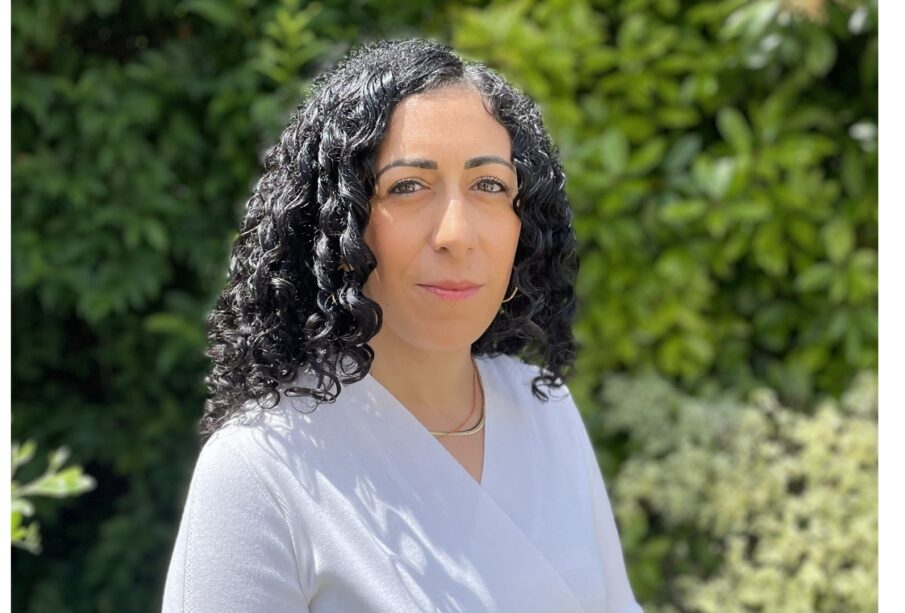
Astrid Kechichian, Director, Field and Partner Marketing, META at BeyondTrust
Astrid Kechichian, Director of Field and Partner Marketing, META at BeyondTrust, reflects on her journey across the technology landscape, sharing insights on leadership, resilience, and the evolving role of marketing in an AI-driven era.
What initially drew you to a career in the technology industry? Has that early motivation sustained over the years?
I’ve always wanted to contribute to industries where technology has a real impact on people’s lives, such as healthcare or cybersecurity. I’ve always said that I’m not a technical person, so I chose marketing because it was a way to help bring those technologies to light.
That motivation hasn’t changed. Whether it’s cancer prevention or protecting organizations from cyber threats, the stakes are incredibly high, and it’s rewarding to contribute to solutions that truly matter.
Looking back, what defining moments shaped your leadership approach in sales and marketing?
More than specific milestones, I would say that it was the moments when managers, colleagues, partners or customers trusted me with important responsibilities. That trust pushes you to grow and deliver your best work.
As a leader today, I try to create that same environment for my team — giving people ownership, trusting them, and helping them succeed.
As the industry has shifted from legacy systems to cloud and AI-driven models, how have you evolved your own role to stay ahead?
From a marketing perspective, my answer will sound quite standard. Time is money and AI is a powerful way to work faster and more efficiently. It doesn’t replace our value — it actually reinforces it. Without a clear strategy and a strong brief, AI won’t get you very far. It actually motivates me to stay ahead and push boundaries.
From a cybersecurity standpoint, these shifts make the stakes even higher. That’s why it’s exciting to work in a company which supports organizations in their strategy to protect against increasingly complex threats.
What has been the biggest professional leap of faith you’ve taken, and what did it teach you about resilience?
Five years ago, I took on responsibility for the Middle East and Africa region, which was completely new to me. I had to learn everything from scratch — cultures, markets, and ways of working.
It was a real leap of faith, but it taught me that stepping outside your comfort zone is often where the most meaningful growth happens.
Beyond the obvious challenges, do subtle structural barriers still exist for women in commercial technology roles?
Of course, there are so many places where this is the case: it would be very naïve to say the contrary. I think that the reality varies from one company to another. At BeyondTrust, I’ve experienced an environment where gender doesn’t define your ability to grow or lead.
I’m surrounded by talented women who hold the same level of responsibility and recognition as their male peers. Having a culture that genuinely supports work–life balance makes a big difference.
Which lessons across your career have had the greatest impact on how you contribute to your organization today?
One of the most important lessons is the value of listening — to customers, colleagues, and the market, whether partners or end customers. The best strategies come from understanding different perspectives.
As such, I also think that humility is an essential value, because it gives you the space to reconsider an idea, a campaign or an event. And as such, it leads the way to teamwork and collaboration, hence listening, and this is how you grow and create a virtuous circle.
I’ve also learned that adaptability is key. In technology, and in the MEA region in particular, things evolve quickly, and staying flexible, curious and open to change is essential.
What strengths do you believe are particularly important for women to succeed in technology sales and marketing leadership?
Confidence, authenticity and consistency are essential. I often say that I am definitely not the cliché we expect as a marketing leader. I come with my personality, my strengths and my weaknesses, but this is who I am and I don’t want to hide behind a character that would betray my values. Strong leadership doesn’t have to follow a single model.
Strategic thinking, empathy, and collaboration are powerful strengths in marketing. Combined with passion and curiosity, they help build trust with both teams, partners and customers.
In high-value enterprise engagements, how critical is emotional intelligence alongside technical expertise?
It’s absolutely critical. In fact, I think this is even truer in this AI-driven era. Whether you deal with internal or external stakeholders, you need to have the emotional intelligence to understand, address and adjust in line with their priorities and challenges. This is what will differentiate you from anyone else. Business is personal, and having a good dose of emotional intelligence in the recipe will lead the way to trust and strong partnerships.
If you could redesign how the technology industry develops its next generation of female leaders, what would you change?
I think the past generation and ours have done an amazing job and the progress is considerable. I guess that I would keep on focusing on mentorship and visibility. Representation in strategic roles is essential. Today, many talented women are already in the industry but don’t always see clear pathways to leadership. I believe that it is crucial to grow with male leaders as our allies too, and it makes me really happy to see how mutual support makes a difference.
When you look back on your career, what kind of legacy would you like to leave — professionally and personally?
This is hard to say: I hope that I’m only halfway there! But I wish that I can be remembered as someone who’s always put teamwork first, as well as someone who has always tried to blend fun and curiosity as well as accountability and seriousness into work.
Personally, and especially as a mother of two daughters, I’d like to show that it’s possible to build a meaningful career and perform in an area you love, while staying true to your values and maintaining the right balance with your personal life.
How do you navigate setbacks or unexpected challenges in high-pressure commercial environments?
I guess the current decade has given us some good lessons! In cybersecurity, and in our modern world, pressure is part of the job: the threats are constant for our customers and the stakes are high. This environment teaches you to stay focused, prioritize quickly, and keep a clear head when things don’t go as planned. It requires a certain solidity on market knowledge as well as a certain agility.
For me, setbacks are moments to reassess, adapt, and move forward. If I’m being very practical, I try to step back, analyse the situation objectively, work with a team if required and communicate if I am stuck somewhere, and focus on solutions.


Leave a reply