
A people-first approach to technology leadership
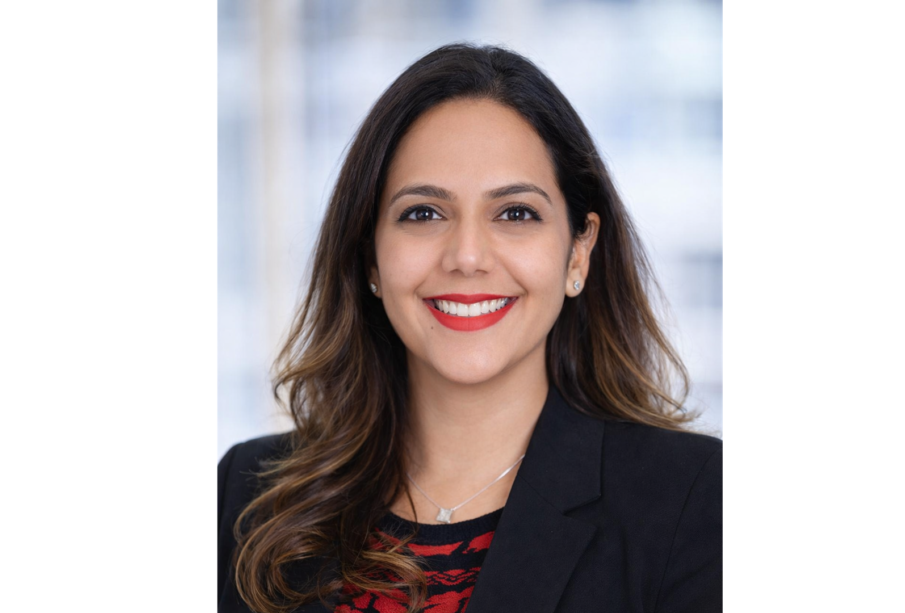
Natasha Kasliwal, Senior Enterprise Marketing Manager, MEA, Nutanix reflects on the importance of collaboration across sales and marketing, staying curious in a rapidly evolving cloud and AI landscape, and why supporting and uplifting women in the industry can create lasting impact.
What initially drew you to a career in the technology industry? Has that early motivation sustained over the years?
Coming from a family of doctors, with both my parents in medicine, I grew up hearing conversations about saving lives and improving patient care. What fascinated me was seeing how technology was increasingly becoming part of that impact, from medical equipment to the early rise of computers and mobile devices transforming how people worked and communicated.
That curiosity naturally stayed with me. As technology evolved, I became more interested in how innovation shapes industries and everyday life.
Today, working in enterprise marketing at Nutanix, I see that impact on a much larger scale. We are not just positioning technology solutions, we are helping organizations modernize, simplify complexity, and move forward with confidence.
Technology never stands still, and neither can we. Being part of an industry that constantly challenges you to learn and adapt is incredibly energizing.
Looking back, what defining moments shaped your leadership approach in sales and marketing?
One of the biggest realizations in my career has been that success in enterprise environments is never a solo effort. The best outcomes happen when there is strong collaboration between sales, marketing, alliances and partners.
I’ve always seen myself as a team player. Some of the most defining moments in my career came from working in teams where everyone brought different strengths and perspectives. Those experiences taught me the value of listening, supporting one another and moving toward shared goals.
Seeing how marketing initiatives influence pipeline and customer conversations also helped me understand the bigger picture and the real impact marketing can have when closely aligned with the field.
As the industry has shifted from legacy systems to cloud and AI-driven models, how have you evolved your own role to stay ahead?
As technology has evolved toward cloud and AI-driven models, I’ve also evolved the way I work. Today, AI helps us work smarter , from analyzing campaign performance to understanding customer insights.
In enterprise marketing, it’s important to stay close to how customers are thinking about modernization, hybrid cloud and AI. I try to stay curious, continuously learn and explore how new tools can help us engage customers in more meaningful ways.
What has been the biggest professional leap of faith you’ve taken?
One of the biggest leaps of faith in my career was stepping into roles where I had the opportunity to take on larger regional initiatives and responsibilities. At times the expectations felt daunting, but those moments pushed me to grow.
Often you don’t have all the answers, but you move forward and learn along the way. Those experiences taught me resilience and the importance of trusting your instincts.
I’ve also been fortunate to work with inspiring women leaders who encouraged me to step outside my comfort zone. One of the things that continues to inspire me in this industry is seeing women lift each other up and create space for more voices at the table.
Do subtle structural barriers still exist for women in commercial technology roles?
I think the industry has made meaningful progress over the years, but there is still more to be done, especially in the IT sector. Today the conversation is not just about inclusion, it is about influence and visibility. Being part of strategic discussions, working on high impact initiatives and having a seat at important decision making tables makes a real difference in shaping careers.
I truly believe that when women support and uplift each other, it creates momentum for the entire industry. The more we encourage visibility, mentorship and sponsorship, the more we help open doors for the next generation of women in technology. Technology evolves every day, but what truly drives progress is people , and when women support and lift each other up, the entire industry moves forward.
Which lessons across your career have had the greatest impact on how you contribute today?
One of the biggest lessons I’ve learned is that the best results come from collaboration rather than working in silos.Working closely with sales, partners and cross-functional teams has shown me how powerful alignment can be. Technology evolves quickly, so staying curious and open to learning is also essential.
Most importantly, building strong relationships based on trust and respect creates lasting impact for both the organization and the people you work with.
What strengths are particularly important for women to succeed in technology sales and marketing leadership?
Strategic thinking is important, but equally important is the ability to collaborate and bring people together around a shared goal. Enterprise marketing and sales often involve navigating complex conversations, understanding business priorities and aligning multiple stakeholders. Being able to understand the side of the business while building strong relationships with teams and customers is incredibly valuable.
Teamwork plays a huge role in everything we do. Many women bring a natural strength in communication, empathy and relationship building, which helps create that alignment. And of course, women are often great multitaskers. Whether it is balancing multiple projects, managing different stakeholders or switching between strategic thinking and execution, that ability to juggle many things at once can be a real strength in fast paced environments like technology. When that is combined with commercial understanding and teamwork, it becomes a powerful way to drive meaningful impact.
In high-value enterprise engagements, how critical is emotional intelligence?
While technology and solutions are critical, decisions at that level are rarely purely technical , they involve trust and relationships.
For me, it has always been about a people-first approach. Behind every organization are individuals making important decisions, and understanding their perspectives really matters. When people feel heard and respected, conversations naturally become more collaborative and long-term partnerships begin to form.
Emotional intelligence helps bridge the gap between rapidly evolving technology and the human relationships behind business decisions.
If you could redesign how the technology industry develops future female leaders, what would you change?
I would encourage giving women more opportunities early in their careers to work on strategic initiatives and participate in important business conversations.
Confidence grows when people are trusted with responsibility and supported along the way. Mentorship and support networks also play a huge role.
When women collaborate, share experiences and lift each other up, it creates a stronger and more confident next generation of leaders.
What legacy would you like to leave — professionally and personally?
Professionally, I would like to be remembered as someone who made a meaningful difference in the business while always being a strong team player. Success for me has never been about individual achievements alone, but about contributing to shared goals.
On a personal level, I hope my journey shows my children , especially my daughter , to grow up believing that women have a voice, a place at every table, and the confidence to pursue anything they dream’s of.
I was fortunate to grow up with a strong role model. Seeing my mother pursue her career as a doctor taught me early on that women can achieve anything , that belief continues to inspire me every day.
If my journey helps inspire even a few others to believe in themselves while making my family proud, that would be a legacy I would be very proud of.
How do you navigate setbacks in high-pressure environments?
In fast-paced environments, setbacks are inevitable. Over time I’ve learned to see them not as failures but as opportunities to pause, learn and come back stronger.
What helps most is staying grounded and focusing on solutions. Supportive colleagues and leaders also make a huge difference. For women especially, moments of doubt are part of the journey. What matters most is resilience, believing in yourself and continuing to move forward. And that is something I hope more women remember. Setbacks are not barriers, they are stepping stones that prove their voice, ideas, and ambitions truly belong in this industry.
I’ve also been fortunate to work with inspiring women leaders who encouraged me to step outside my comfort zone. One of the things that continues to inspire me in this industry is seeing women lift each other up and create space for more voices at the table.




Leave a reply