

Fostering empathy and collaboration
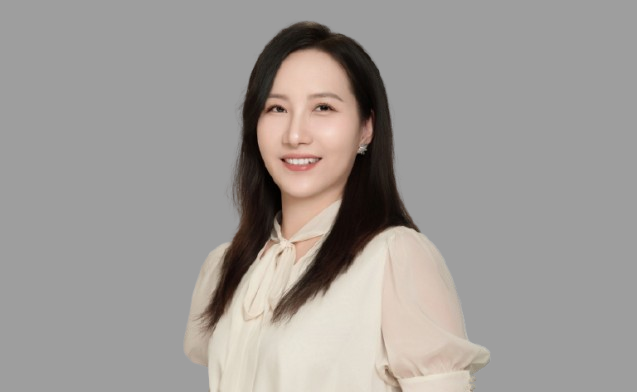
Angela Hua, Marketing Director, AGIBOT MENA & Turkey
Angela Hua, Marketing Director, AGIBOT MENA & Turkey shares insights on leadership, resilience, and the role of mentorship in shaping the next generation of women leaders in tech.
What initially drew you to a career in the technology industry? Has that early motivation sustained over the years?
I entered the technology industry in 2011, largely because of my academic background in software programming and development. In many ways, technology was the natural path for me.
However, my deeper connection to the industry really started when I joined Alibaba Cloud. Working in a company focused on core technology infrastructure made me realize how powerful technology can be in shaping the future. What excites me most about this industry is that experience and knowledge compound over time—the longer you stay in it, the more valuable you become. That motivation has definitely stayed with me.
Looking back, what defining moments shaped your leadership approach in sales and marketing?
I’ve been fortunate to experience very different types of companies throughout my career—from late-stage startups to early-stage ventures, and also a global company like Alibaba Group.
These experiences shaped my leadership philosophy. I believe strongly in leading by example and moving forward together with the team. Sales and marketing, especially in technology, is never a solo effort—it’s a collective mission that requires trust, resilience, and strong collaboration.
As the industry has shifted from legacy systems to cloud and AI-driven models, how have you evolved your own role to stay ahead?
For me, staying ahead starts with staying curious. Technology evolves quickly, and the best way to grow with it is to continuously learn.
At the same time, I believe in focusing deeply on a chosen direction. When you combine focus with curiosity, new opportunities—whether cloud, AI, or other emerging technologies—naturally become part of your journey.
What has been the biggest professional leap of faith you’ve taken, and what did it teach you about resilience?
Without a doubt, the biggest leap I took was moving to the Middle East in 2018.
I left behind a stable career and professional network in China and decided to fully commit to building my future in a completely new market. Shortly after, COVID hit, and many companies withdrew from Dubai. Opportunities froze, and at one point I faced the real possibility of unemployment.
That experience taught me a very important lesson: sometimes survival comes before achievement. Once you learn how to navigate uncertainty and keep moving forward, resilience becomes part of who you are.
Today, the Middle East has become my home, both personally and professionally, so I truly believe it was the right decision.
Beyond the obvious challenges, do subtle structural barriers still exist for women in commercial technology roles?
The industry has made meaningful progress in diversity and inclusion, but subtle structural barriers can still exist, especially in leadership representation and access to strategic opportunities.
The encouraging part is that many organizations are now actively creating platforms, mentorship programs, and leadership pathways for women. The more visibility and opportunities women receive, the faster these barriers will disappear.
Which lessons across your career have had the greatest impact on how you contribute to your organization today?
The most important lesson I’ve learned is that technology is ultimately about people.
Whether it’s customers, partners, or internal teams, trust and collaboration drive long-term success. Technology may evolve rapidly, but strong relationships remain the foundation of sustainable business.
What strengths do you believe are particularly important for women to succeed in technology sales and marketing leadership?
Strategic thinking, resilience, and strong communication are essential.
But I also believe empathy and collaboration are powerful leadership qualities. In complex enterprise environments, the ability to connect people, align interests, and build trust is often what makes the real difference.
In high-value enterprise engagements, how critical is emotional intelligence alongside technical expertise?
Technical expertise builds credibility, but emotional intelligence builds trust.
Enterprise decisions involve multiple stakeholders and long decision cycles. Being able to understand perspectives, navigate conversations, and build relationships is often just as important as understanding the technology itself.
If you could redesign how the technology industry develops its next generation of female leaders, what would you change?
I would focus on three things: mentorship, visibility, and early leadership opportunities.
If women have access to mentors earlier in their careers, participate in strategic initiatives, and take on leadership roles sooner, it can significantly accelerate the development of future female leaders.
When you look back on your career, what kind of legacy would you like to leave — professionally and personally?
Professionally, I hope to contribute to building stronger technology ecosystems and helping organizations innovate and grow through technology.
Personally, I hope my journey encourages more women to pursue leadership roles in technology and believe they can shape the future of this industry.
How do you navigate setbacks or unexpected challenges in high-pressure commercial environments?
Challenges are inevitable in high-pressure environments.
My approach is to stay calm, focus on solutions, and move forward with the team. Every setback carries a lesson, and those lessons often become the foundation for the next success.
Whether it’s customers, partners, or internal teams, trust and collaboration drive long-term success. Technology may evolve rapidly, but strong relationships remain the foundation of sustainable business.




Leave a reply