

Aligning Strategies with Business Outcomes
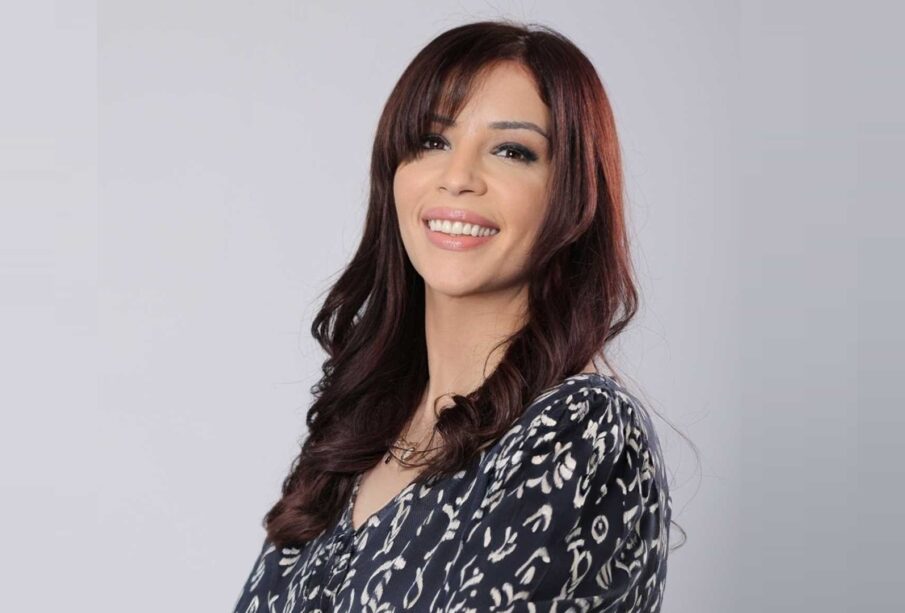
Dalia Mansour, Global Marketing Director, UnifyApps
Dalia Mansour, Global Marketing Director, UnifyApps reflects on leadership, the importance of aligning marketing with business outcomes, and the evolving role of technology in driving enterprise transformation.
What initially drew you to a career in the technology industry? Has that early motivation sustained over the years?
Technology drew me in because it is one of the few industries where innovation can reshape entire organizations. Early in my career I saw how the right technology platform could change how companies operate, how they serve customers, and how they scale.
That motivation has absolutely stayed with me. Today we are witnessing one of the most significant shifts with AI, automation, and data transforming how businesses run. Being part of that journey and helping organizations turn technology into real business value continues to be incredibly energizing.
Looking back, what defining moments shaped your leadership approach in sales and marketing?
One of the defining lessons in my career was realizing that marketing must be directly tied to business outcomes. Marketing cannot exist in isolation. The most impactful programs are the ones that work in lockstep with sales, product, and customer teams.
Leading global field marketing initiatives and executive engagement programs across different markets reinforced this for me. It shaped my leadership approach to be highly collaborative, focused on pipeline and measurable results, and grounded in customer value rather than activity for the sake of visibility.
As the industry has shifted from legacy systems to cloud and AI driven models, how have you evolved your own role to stay ahead?
The role of technology marketing has evolved significantly. It is no longer about promoting products or features. It is about helping organizations understand how technology enables strategic transformation.
To stay ahead, I focus on staying close to customers and continuously learning how new technologies such as AI impact real business workflows. My role often sits at the intersection of technology and business leadership, translating complex innovation into clear strategic value for executives.
Beyond the obvious challenges, do subtle structural barriers still exist for women in commercial technology roles?
Yes, and many of them are subtle. They often appear in how opportunities are distributed rather than in formal policies. Who leads large initiatives, who owns revenue generating programs, and who receives executive sponsorship can significantly influence career progression.
Organizations that want to build strong leadership pipelines need to intentionally create opportunities for women to lead high impact initiatives and participate in strategic decision making.
What strengths do you believe are particularly important for women to succeed in technology sales and marketing leadership?
The ability to translate complexity into business value is critical. Technology leaders must connect innovation to outcomes such as growth, efficiency, and customer experience.
Resilience is also essential. The technology landscape moves quickly and leaders must constantly adapt to new market dynamics. Finally, strong relationship building and influence are key strengths in enterprise environments where decisions involve multiple stakeholders across the organization.
In high value enterprise engagements, how critical is emotional intelligence alongside technical expertise?
Technical expertise builds credibility, but emotional intelligence builds trust. In large enterprise engagements, decisions are rarely purely technical. They involve risk, organizational change, and multiple stakeholders with different priorities.
Leaders who can navigate those dynamics, understand concerns, and align teams around a shared vision are far more successful in delivering meaningful transformation.
When you look back on your career, what kind of legacy would you like to leave professionally and personally?
Professionally, I hope to be known as someone who helped organizations embrace technology in a way that created measurable business impact.
Personally, I would like to contribute to creating more pathways for the next generation of women entering the technology industry. If more women see themselves shaping innovation and leading transformation in this space, that would be a legacy I would be proud of.
Technical expertise builds credibility, but emotional intelligence builds trust. In large enterprise engagements, decisions are rarely purely technical. They involve risk, organizational change, and multiple stakeholders with different priorities.




Leave a reply