
Staying ahead of change
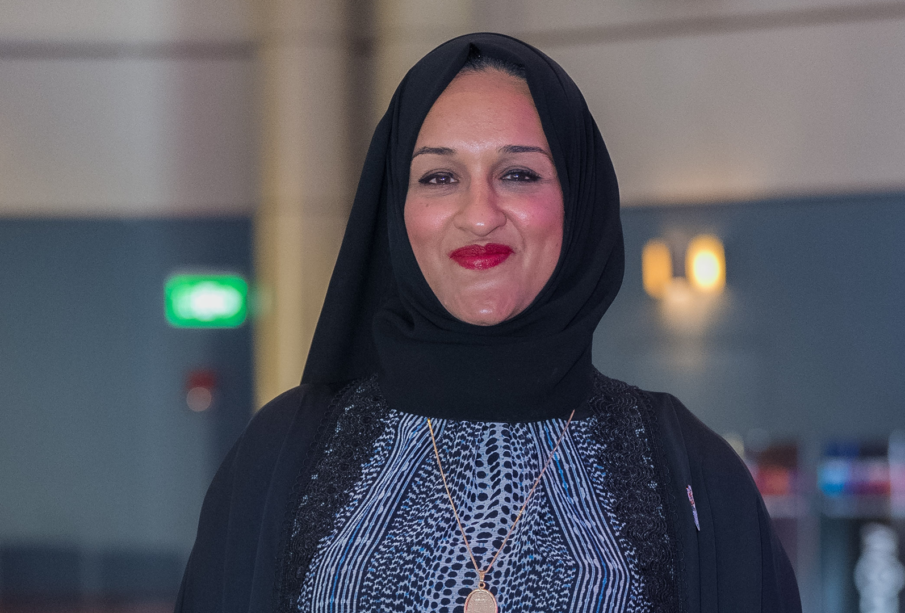
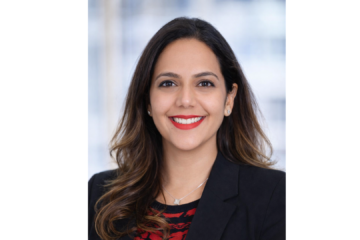
Lara Fawzy, Principal Marketing Manager –MEA, Tenable
Lara Fawzy, Principal Marketing Manager –MEA, Tenable discusses the importance of adaptability, continuous learning, and the role of storytelling in translating complex technology into meaningful business value.
What initially drew you to a career in the technology industry? Has that early motivation sustained over the years?
I was initially drawn to marketing and always knew I wanted to work for a large multinational organisation or for a large well-know brand. I studied marketing and began my career in the technology sector with a global company at a young age. From the beginning, I was attracted to the pace of the industry and the sense that technology was making a huge impact on how businesses and people operate.
Over time that motivation and experience has only grown stronger. Technology is constantly evolving and sits at the forefront of innovation, I feel I market something meaningful that’s impacts lives.
I have always been inspired by founders and visionaries in the industry, including Steve Jobs, whose ability to combine technology with creativity was unbelievably inspiring.
I have remained in the technology sector for the majority of my career, which now spans more than twenty years. Along the way I also co-authored a book on digital marketing, which allowed me to explore how technology and marketing continue to evolve together, it was published by Pearson FT Press.
Looking back, what defining moments shaped your leadership approach in sales and marketing?
Several moments shaped my leadership approach. Early in my career I was involved in major technology initiatives, including the launch of video conferencing and high-end telepresence solutions, which were radically transforming how organisations communicated globally.
While based in the UK, I was also part of the B2B launch of the iPhone 3G. It was a pivotal time in the industry and highlighted how quickly innovation could reshape markets and consumer expectations.
Witnessing the rapid growth of technology adoption across different regions, including the Middle East, reinforced the importance of staying adaptable and forward-looking in marketing.
Equally important has been the opportunity to work alongside exceptional sales leaders who mentored and supported my development. Their guidance helped shape my leadership style and reinforced the importance of strong collaboration between marketing and sales.
As the industry has shifted from legacy systems to cloud and AI-driven models, how have you evolved your own role to stay ahead?
The technology industry evolves quickly, and marketing must evolve alongside it. I have always had a strong interest in digital marketing, storytelling, and innovative ways of communicating complex ideas.
Today I continue exploring areas such as AI-driven marketing, social media and digital strategies that help organisations connect more effectively with their audiences. I believe the message should support the medium, and marketing must constantly adapt as technologies and customer expectations change.
I also make a point of continuously learning about cybersecurity technologies themselves. Understanding the solutions we promote helps ensure marketing remains credible, relevant, innovative and impactful.
What has been the biggest professional leap of faith you’ve taken, and what did it teach you about resilience?
One of the biggest leaps of faith in my career was relocating across continents to pursue opportunities in technology marketing. I moved from the UK to Africa and later to the Gulf.
These experiences were challenging but extremely rewarding. They taught me resilience, adaptability, and the value of embracing change. Each move also allowed me to contribute to rapidly digitising markets and further develop my career in global technology, mnc environments.
Beyond the obvious challenges, do subtle structural barriers still exist for women in commercial technology roles?
The technology sector is still largely male dominated. I have attended many industry events where women remain significantly underrepresented.
That said, progress is being made as more women enter leadership roles across the industry. Ultimately, strong performance and expertise help break down barriers, but continued efforts around representation, mentorship, and opportunity are still important.
In high-value enterprise engagements, how critical is emotional intelligence alongside technical expertise?
Emotional intelligence is extremely important. Organisations are made up of people, and understanding those relationships is critical.
While technical expertise is essential, building trust, listening carefully, and connecting with people and colleagues determines the success of enterprise engagements.
Each move also allowed me to contribute to rapidly digitising markets and further develop my career in global technology, mnc environments.

Leave a reply