

Staying adaptable
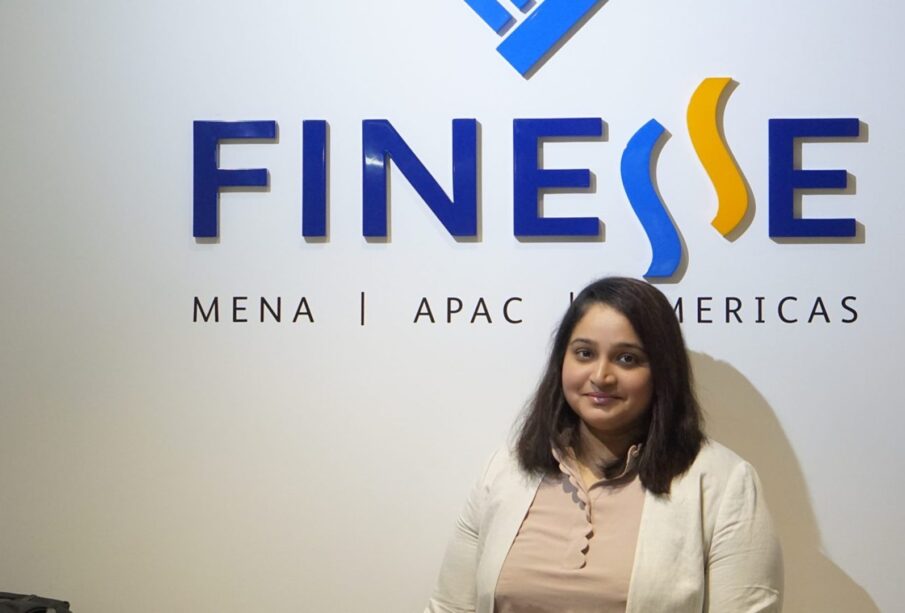
Francea Lobo, Marketing Manager Finesse highlights the importance of adaptability, trust, and creating collaborative environments where teams can thrive in this conversation.
What initially drew you to a career in the technology industry? Has that early motivation sustained over the years?
I was initially drawn to a career in the technology industry through marketing because I’ve always been curious about how technology shapes the way we live, work, and connect. Marketing felt like the perfect bridge between that curiosity and my love for storytelling—being able to translate complex tech concepts into real value that people and businesses can relate to.
That early motivation hasn’t just lasted; it’s grown stronger. Over the years, I’ve seen how technology, especially in areas like cybersecurity and AI, can truly empower organizations and protect what matters most to them. Being in tech marketing means I get to support innovations that solve real-world problems, while also helping customers understand and trust these solutions. It is especially meaningful to contribute to an industry that is constantly evolving and increasingly inclusive. I am glad I chose this path—it allows me to combine my passion for technology, creativity, and impact in a way that feels both purposeful and exciting every single day.
What strengths do you believe are particularly important for women to succeed in technology sales and marketing leadership?
I think adaptability, hard work, and good communication are really important for women to succeed in technology sales and marketing leadership. In the fast-paced tech world, it’s important to learn quickly, adjust plans, and handle challenges as they come. Building real relationships and influencing people across teams and clients also takes confidence. Having a strategic mindset along with empathy helps women leaders get results while supporting their teams and creating a positive, environment.
Which lessons across your career have had the greatest impact on how you contribute to your organization today?
Working in technology marketing has shown me how quickly the landscape can change. Strategies that work today often need to evolve tomorrow, which is why adaptability has become one of the most important lessons in my career. Staying open to learning and new ideas helps you remain relevant and effective.
Another lesson that has shaped the way I work is the importance of consistency and ownership. When you take responsibility for your work and follow through on your commitments, you build trust with the people you work with. Over time, that trust becomes the foundation for strong collaboration and better outcomes for the team.
As a woman in this industry, I have also seen how important it is to create environments where people feel supported and encouraged to share their ideas. When people feel confident speaking up and taking initiative, teams become stronger, more inclusive, and ultimately more effective.
When you look back on your career, what kind of legacy would you like to leave — professionally and personally?
When I reflect on my career, what matters most to me is the way I have contributed to the teams and people I have worked with along the way.
Professionally, I would like to be remembered as someone who approached her work with dedication, integrity, and a strong sense of responsibility. I hope my work reflects a commitment to collaboration and a willingness to go the extra mile to support shared goals.
Personally, I would like to be known as someone who helped create a positive and supportive environment for colleagues and partners. If my journey encourages others to grow in their roles, speak up with confidence, or feel more supported in their careers, that would be a legacy I would be proud of.
To me, a meaningful career is not only about the results you achieve, but also about the positive impact you have on the people you work with along the way.
When you take responsibility for your work and follow through on your commitments, you build trust with the people you work with. Over time, that trust becomes the foundation for strong collaboration and better outcomes for the team.


Leave a reply