
From innovation to impact
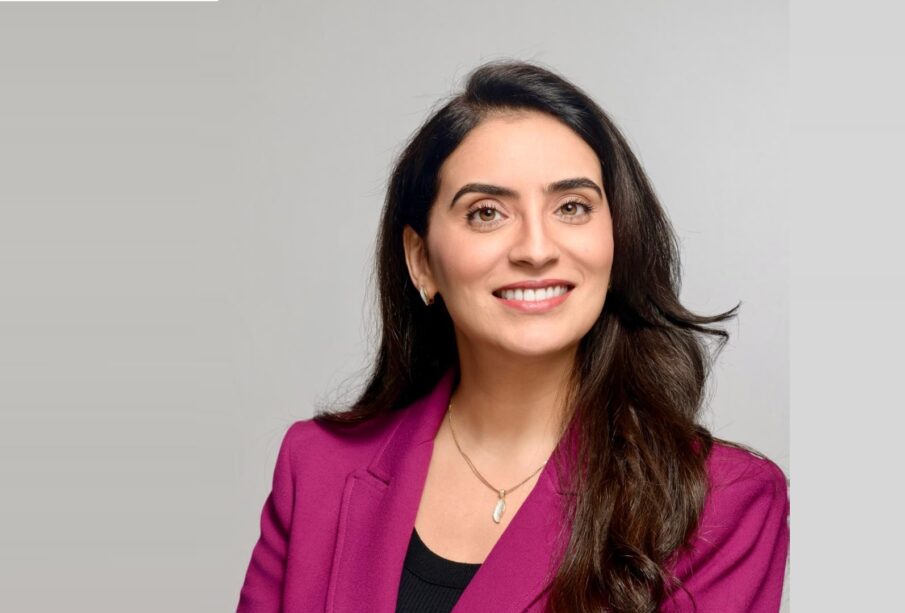
Nabila Ayatti, MEA Marketing Manager, Submer
For Nabila Ayatti, MEA Marketing Manager at Submer, the true value of technology lies in how effectively it is communicated, adopted, and executed. In this conversation, she discusses the importance of emotional intelligence, strategic alignment, and empowering teams to transform emerging technologies into tangible business outcomes.
What initially drew you to a career in the technology industry? Has that early motivation sustained over the years?
I was drawn to technology because it has the power to change lives, transform how businesses operate, how people work, and how entire markets evolve. From the very beginning, I was fascinated by the challenge of taking complex innovations and turning them into strategies and stories that create real value. Over the years, I have seen technology move from niche solutions to industry-defining platforms, from enterprise systems to AI-driven models, and the constant pace of innovation has only deepened my passion. What keeps me energized today is the opportunity to influence how organizations harness these technologies, guide markets, and enable teams and clients to realize possibilities they might not have imagined. It is not just about technology. It is about impact, influence, and shaping the future.
As the industry has shifted from legacy systems to cloud and AI-driven models, how have you evolved your own role to stay ahead?
The evolution of technology has transformed the way we lead, communicate, and create value. AI is no longer just a trend. It is redefining how businesses operate, make decisions, and engage customers. My role has grown to bridge strategy, communication, and execution, ensuring that these emerging technologies are understood, embraced, and applied to generate real business outcomes. Staying ahead requires curiosity, continuous learning, and the ability to translate complex AI and cloud solutions into actionable insights. For me, leadership is about turning technology into opportunity, guiding teams to communicate value effectively, and helping clients and markets see the potential that innovation creates.
Which lessons across your career have had the greatest impact on how you contribute to your organization today?
The most important lesson I have learned is that people and relationships create an impact far beyond technology itself. Whether mentoring teams, collaborating with clients, or influencing stakeholders, understanding motivations and aligning shared goals is what delivers results. Technology, including AI, is only as powerful as the people and processes applying it. I have also learned that bold ideas alone are not enough. Execution, strategic alignment, and clear messaging are what turn innovation into real business outcomes.
What strengths do you believe are particularly important for women to succeed in technology sales and marketing leadership?
Resilience, strategic thinking, and influence are critical. Women excel when they can bridge technical knowledge with business insight and translate that into messaging and actions that resonate with clients and markets. AI and emerging technologies present opportunities to demonstrate leadership by shaping how innovation is communicated and adopted. Women often bring perspectives and communication approaches that are underestimated but highly effective. Listening, connecting authentically, and articulating ideas with confidence builds trust, opens doors, and drives tangible results.
In high-value enterprise engagements, how critical is emotional intelligence alongside technical expertise?
Emotional intelligence is as important as technical expertise. You can understand a product or AI solution in detail, but if you cannot read the business context, anticipate client needs, and build trust, the engagement will not succeed. The most effective leaders combine insight with empathy, simplifying complexity, framing technology in terms of value, and inspiring both teams and clients to act. In today’s AI-driven environment, connecting the human element with technology is more critical than ever.
If you could redesign how the technology industry develops its next generation of female leaders, what would you change?
I would focus on creating structures and cultures that empower women to lead confidently and visibly. Mentorship, sponsorship, and exposure to high-impact projects are essential, but equally important is creating an environment where women feel empowered to take risks, influence strategy, and embrace emerging technologies such as AI. When organizations invest strategically in women, giving them responsibility, visibility, and trust, they unlock innovation, market growth, and leadership impact that benefits everyone.
Women often bring perspectives and communication approaches that are underestimated but highly effective. Listening, connecting authentically, and articulating ideas with confidence builds trust, opens doors, and drives tangible results.




Leave a reply