

From code to market strategy
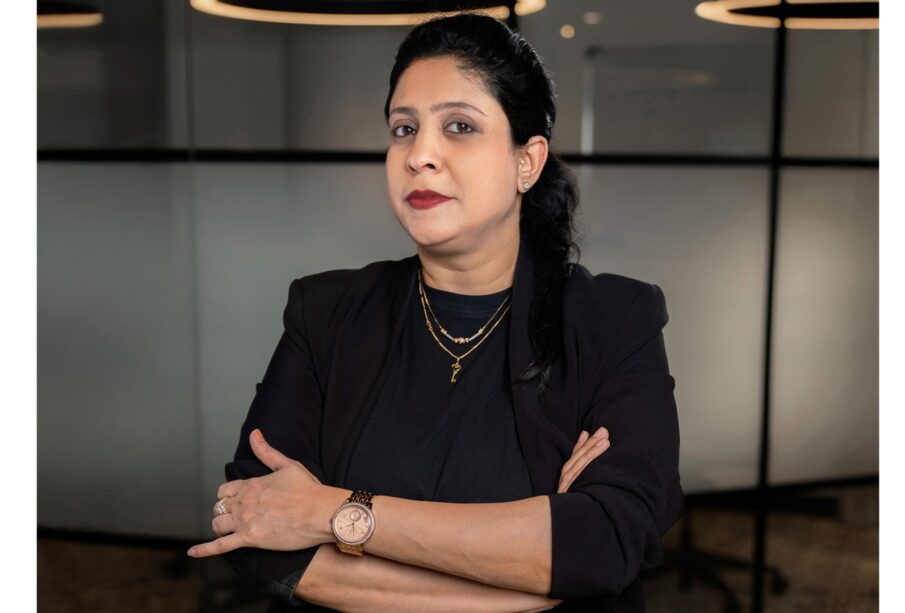
Uzma Yusuff, Senior Field Channel Marketing Manager, SentinelOne
Drawing on her engineering background, Uzma Yusuff, Senior Field & Channel Marketing Manager, SentinelOne now focuses on connecting technical innovation with real customer impact in the cybersecurity landscape.
What initially drew you to a career in the technology industry? Has that early motivation sustained over the years?
I started out as a software engineer because I enjoy creating things from scratch. I love the logic of code, but one of the first things I discovered about myself is that I did a better job at connecting the dots between complex engineering and market strategy. Moving from “build” to “position” gave me an opportunity to leverage my technical skill set to solve broader business problems and make sure that truly innovative ideas actually reach and help the people who need it most.
My early motivation has only grown stronger over the years. My engineering “north star” has evolved into a passion for cybersecurity resilience. I’m energized by the high stakes at SentinelOne to defend our world, and I’m inspired to speak for partners with real authority through that which began as my technical experience.
Looking back, what defining moments shaped your leadership approach in sales and marketing?
My career pivot from software engineering to marketing was an eye-opener that markets are won with trust and stories, not technical excellence. My new leadership style is centered on “technical empathy,” which means being able to shape complicated architectures into stories that create value for our partners.
At SentinelOne, we can’t keep playing it safe. We have to consciously collaborate to win. I team with SDRs, sales, and our global teams to keep up with the changing threat landscape. I see myself as a data-driven strategist and an authentic advocate, creating a safer digital future for our customers.
What has been the biggest professional leap of faith you’ve taken, and what did it teach you about resilience?
I think it was moving from a software engineering role to marketing. Taking into account the logic of code and moving to factors that include human behavior in field and channel marketing was a great change. It meant I had to go beyond my comfort zone and believe that the knowledge I have will be used in a completely different professional language.
This leap taught me that resilience builds from being capable enough to adapt. Things change overnight in a company. My experience has shown me that resilience is not just bouncing back but being confident to learn on the way, change directions and deal with uncertainty.
Beyond the obvious challenges, do subtle structural barriers still exist for women in commercial technology roles?
Other than the obvious barriers, there are subtle structural barriers that exist in the form of an invisible infrastructure that is optimized for conventional archetypes. The evaluation criteria are still Potential vs Performance, where only performance is considered for women and potential for men. Besides, Informal Networking, a social circle where deals and career moves are finalized, remains more accessible to men than to women.
In commercial roles, women are paying a ‘Likability Tax’ and have to walk a narrow line between being seen as ‘too aggressive’ or ‘not tough enough’.
Finally, there is the Sponsorship Deficit, where women are over-mentored but lack the senior advocates who harness social capital on their behalf. To truly honor women in tech, we must evolve these systems to recognize diverse leadership as a competitive advantage.
Which lessons across your career have had the greatest impact on how you contribute to your organization today?
I feel the most impactful lesson has been about agility and adaptability. Being right is secondary to agility. I contribute by making sure that our strategies change and adapt as quickly as the technology shifts.
Also, I’ve learned that visibility is very important. Technical and market excellence is the foundation, but the actual impact needs shining and pulling as you climb. You need to amplify wins and make sure that voices are represented and get visibility. While we are data-based, relationships are the actual currency. The greatest contribution is in balancing thorough analytical planning and emotional intelligence to build long-term partnerships. These lessons help me lead with precision and purpose.
My new leadership style is centered on “technical empathy,” which means being able to shape complicated architectures into stories that create value for our partners.




Leave a reply