
Balancing growth with sustainability
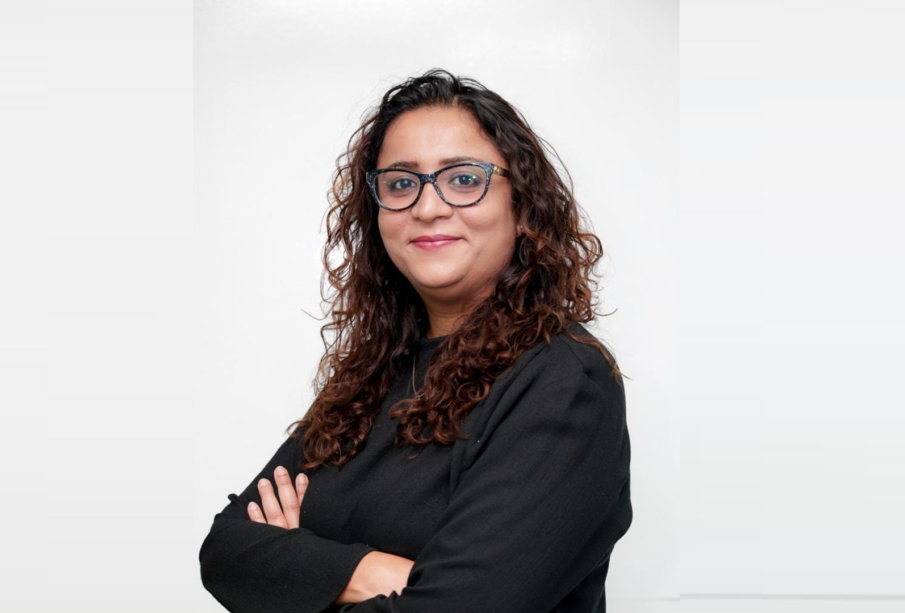
Nehal Sharma, Senior Vice President – Global Product & Alliance, Cloud & Software at Redington
Nehal Sharma, Senior Vice President – Global Product & Alliance, Cloud & Software at Redington, reflects on backing emerging technologies early, building strong partner ecosystems, and leading with a long-term perspective in the rapidly evolving technology industry.
What initially drew you to a career in the technology industry? Has that early motivation sustained over the years?
I was drawn to technology because of its pace and its potential. It’s one of the few industries where you can see direct impact – how innovation transforms businesses, governments, and everyday lives. Early on, I realised that tech wasn’t just about devices or software; it was about enabling progress. That sense of building something larger than a balance sheet has absolutely sustained me. If anything, as the region has accelerated in digital adoption, my motivation has only deepened.
What has been the biggest professional leap of faith you’ve taken, and what did it teach you about resilience?
Championing the cloud business early in its lifecycle was a major leap of faith. At the time, recurring revenue models were unfamiliar, partners were cautious, and the commercial structure was evolving. It would have been easier to wait until the market matured. Instead, we chose to invest early – in people, capability, and ecosystem readiness.
It taught me that resilience is not about reacting to pressure; it’s about holding conviction when results are not immediate. Sustainable growth requires patience, structured execution, and the confidence to back long-term shifts before they become obvious.
Which lessons across your career have had the greatest impact on how you contribute to your organization today?
One key lesson is that markets move fast, but credibility compounds slowly. Staying close to partners, listening actively, and delivering consistently builds long-term trust. Another lesson is that capability drives scale. Investing in people – internally and across the ecosystem – creates far more durable impact than focusing purely on numbers. Today, I contribute with a long-term lens, always balancing growth with sustainability.
In high-value enterprise engagements, how critical is emotional intelligence alongside technical expertise?
It’s critical. Enterprise decisions are rarely based on technical specifications alone. They are shaped by risk appetite, stakeholder dynamics, and long-term strategic priorities. Emotional intelligence allows you to read context, understand concerns that may not be openly stated, and build trust across multiple decision-makers. Technical expertise opens the door – emotional intelligence secures the partnership.
If you could redesign how the technology industry develops its next generation of female leaders, what would you change?
I would prioritise structured sponsorship and early exposure to strategic responsibility. Many talented women are prepared, but not always positioned. Giving them earlier access to P&L ownership, complex negotiations, and executive decision-making environments accelerates leadership readiness. Real growth comes from real accountability – and that exposure should happen sooner, not later.
One key lesson is that markets move fast, but credibility compounds slowly. Staying close to partners, listening actively, and delivering consistently builds long-term trust.




Leave a reply