

Focused on clarity and consistency
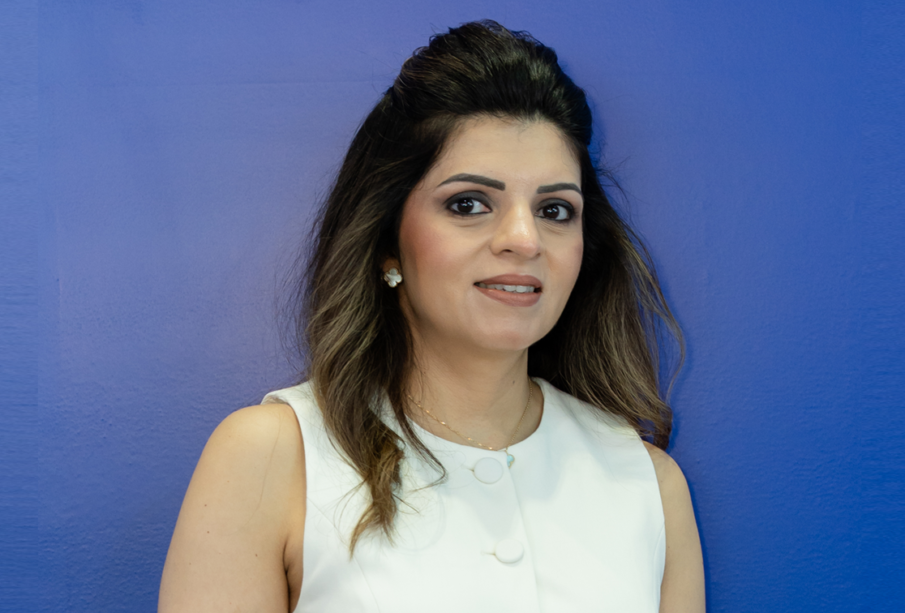
Kiara Israni, Marketing Manager for Emerging EMEA at Sophos
For Kiara Israni, Marketing Manager for Emerging EMEA at Sophos, modern marketing is no longer about visibility alone. It is about commercial impact, strategic alignment, and translating complex technology into measurable business value.
Looking back, what defining moments shaped your leadership approach in sales and marketing?
One defining shift was recognizing that marketing is not a support function, it is a growth engine. The moment you own revenue impact, everything changes: how you think about alignment, how you hold yourself accountable, how far ahead you plan. Leading through market uncertainty sharpened that further. What I learned is that clarity and consistency outperform volume every time. Teams do not just need targets, they need context. When people understand the why behind the strategy, they make better decisions faster, with less friction.
That experience shaped how I lead today. I build commercial strategies designed to be resilient, not reactive, grounded in transparency, driven by alignment, and built to hold up when conditions shift.
As the industry has shifted from legacy systems to cloud and AI-driven models, how have you evolved your own role to stay ahead?
The shift to cloud and artificial intelligence has required marketers to become far more strategic. It is no longer enough to communicate features. We must translate complexity into business value and risk mitigation.
I have evolved by deepening my understanding of technology trends while strengthening my commercial lens. In cybersecurity, trust and speed are equally important. My role today involves connecting innovation to board level priorities, ensuring that go to market strategies reflect both technological advancement and organizational risk realities.
Which lessons across your career have had the greatest impact on how you contribute to your organization today?
The most important lesson has been that alignment drives acceleration. When sales, marketing, and leadership share a unified vision, execution becomes more powerful.
I have also learned that credibility is built through consistency. In cybersecurity, trust is everything. Internally and externally, delivering on commitments and communicating transparently strengthens both brand and culture. Today, I focus on creating clarity, enabling collaboration, and ensuring that marketing is directly linked to measurable business growth.
What strengths do you believe are particularly important for women to succeed in technology sales and marketing leadership?
Strategic thinking is essential. Technology markets evolve quickly, and leaders must connect short term performance with long term positioning.
Equally important is confidence rooted in competence. Women in commercial leadership benefit from deeply understanding both the technical landscape and the business impact. The ability to influence across functions, build alliances, and remain composed under pressure creates credibility that endures beyond any single campaign or quarter.
When you look back on your career, what kind of legacy would you like to leave, professionally and personally?
Professionally, I would like to be remembered as someone who elevated marketing into a strategic growth function within cybersecurity. Someone who built teams that were commercially strong, collaborative, and future focused.
Personally, I hope my career demonstrates that leadership and authenticity are not mutually exclusive. If more women see that they can lead with intelligence, clarity, and purpose without compromising who they are, that would be a meaningful legacy.
How do you navigate setbacks or unexpected challenges in high pressure commercial environments?
Under pressure, I separate emotion from analysis. Reaction clouds judgment so before responding, I focus on understanding root causes. Setbacks to me is data. They surface gaps in strategy, communication, or market readiness that success tends to hide. Treating challenges as feedback rather than failure makes recalibration possible without losing momentum. Composure, transparency with teams, and decisive adjustment are essential in maintaining trust during uncertainty.
Teams do not just need targets, they need context. When people understand the why behind the strategy, they make better decisions faster, with less friction.




Leave a reply