
Aligning strategy with business outcomes
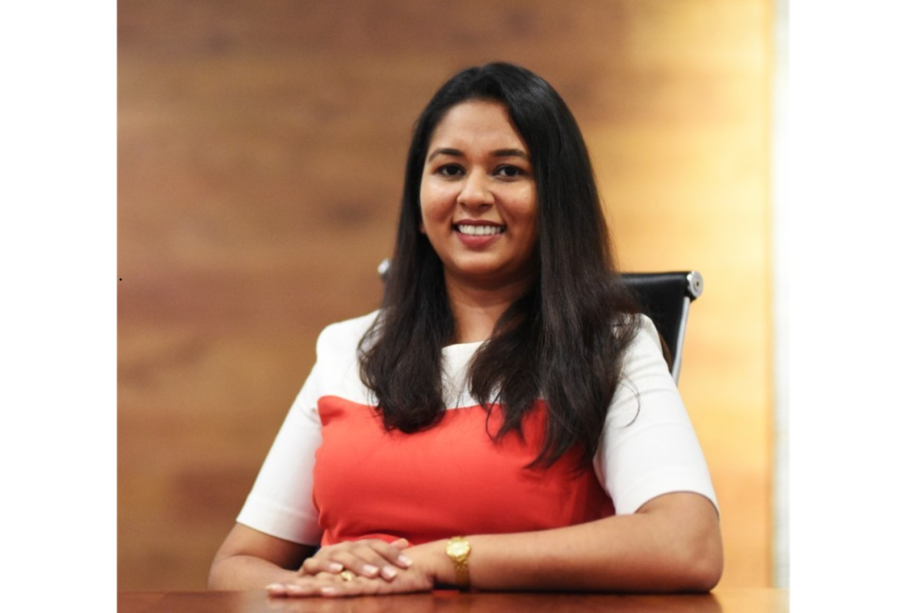
Udari Perera - Regional Marketing Manager for MEA at WSO2
Udari Perera, Regional Marketing Manager for MEA at WSO2 reflects on how aligning marketing with sales and technical teams, staying close to customer needs, and continuously evolving with cloud and AI trends have shaped her leadership journey.
What initially drew you to a career in the technology industry? Has that early motivation sustained over the years?
What drew me to technology was its ability to solve real problems at scale. Early in my career, I saw how software could transform how organizations operate and deliver value to customers. That sense of impact has stayed with me. Today, the pace of innovation makes the industry even more exciting. What continues to motivate me is driving marketing strategies that support sales and technical teams who work with customers looking to harness technology to become more agile, connected, and customer-focused.
Looking back, what defining moments shaped your leadership approach in sales and marketing?
Early in my career, I realized that marketing only creates real impact when it’s closely connected to the business. Working alongside sales teams and partners across different markets showed me that the best marketing leaders think commercially and focus on outcomes, not just campaigns. That experience shaped how I lead today — with collaboration, curiosity, and a strong focus on growth.
As the industry has shifted from legacy systems to cloud and AI-driven models, how have you evolved your own role to stay ahead?
I’ve had to continuously evolve from being an execution-focused marketer to becoming a strategic partner to the business in the region. Staying close to customer needs, understanding new technologies like cloud and AI, and using data to guide decisions have been key. The technology landscape moves quickly, so constant learning is essential to be a more impactful marketer.
What has been the biggest professional leap of faith you’ve taken, and what did it teach you about resilience?
Taking on regional roles that required navigating new markets and cultures was a big leap for me. It pushed me outside my comfort zone, but it also taught me that growth often happens when you say yes to challenges, especially in a fast paced market like the Middle East where development is more frequent. It reinforced the importance of adaptability and trusting your ability to learn along the way.
Beyond the obvious challenges, do subtle structural barriers still exist for women in commercial technology roles?
Progress has definitely been made, but subtle barriers can still exist — sometimes in visibility, opportunities, or assumptions about leadership styles. What makes a real difference is organizations that actively encourage diverse voices and create space for women to grow and lead while managing personal life.
Which lessons across your career have had the greatest impact on how you contribute to your organization today?
One of the biggest lessons is that marketing doesn’t succeed in isolation. Real impact happens when marketing, sales, and technical teams are fully aligned. I’ve also learned how important it is to use data to guide decisions and continuously improve what we do.
What strengths do you believe are particularly important for women to succeed in technology sales and marketing leadership?
Confidence, adaptability, and the ability to build strong relationships are incredibly important. Technology sales and marketing involve many stakeholders, so being able to connect people, communicate clearly, and stay focused on long-term outcomes is key.
In high-value enterprise engagements, how critical is emotional intelligence alongside technical expertise?
It’s essential. Enterprise engagements are not just about technology they’re about trust and relationships. Emotional intelligence helps you understand different perspectives, build credibility, and create stronger partnerships with customers and internal stakeholders.
If you could redesign how the technology industry develops its next generation of female leaders, what would you change?
I would focus on creating more visible pathways to leadership earlier in careers. Giving women opportunities to lead projects, make decisions, and be part of strategic conversations builds both confidence and experience. When organizations actively create those opportunities, it can accelerate the development of future leaders.
When you look back on your career, what kind of legacy would you like to leave — professionally and personally?
Professionally, I hope to be remembered for building strong teams and partnerships that made a real impact. Personally, I’d like to know that I helped encourage more young women to step into leadership roles and believe in their potential.
I’ve had to continuously evolve from being an execution-focused marketer to becoming a strategic partner to the business in the region. Staying close to customer needs, understanding new technologies like cloud and AI, and using data to guide decisions have been key



Leave a reply