

Leading with empathy
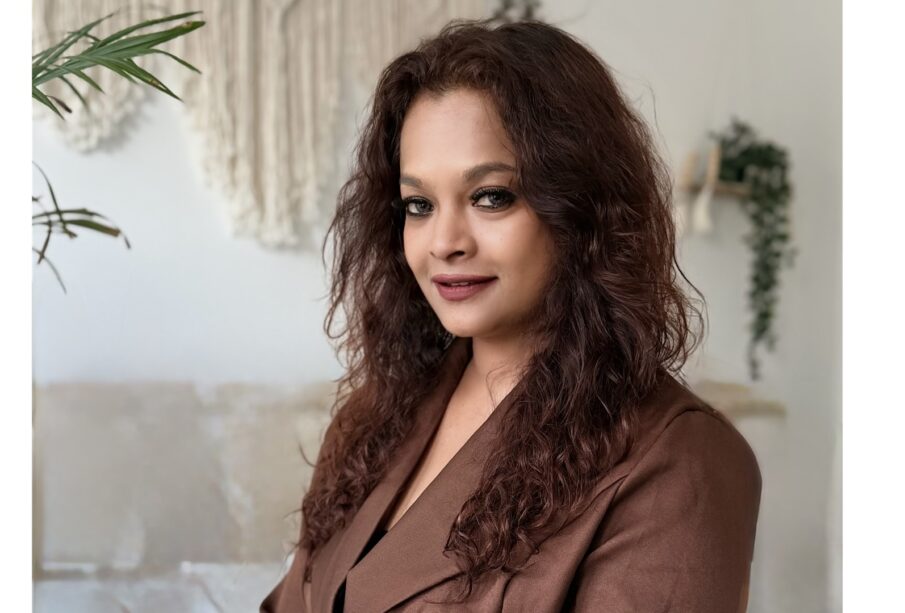
Amrita Nag, Country Marketing Head - ASUS Business Middle East East Africa
Amrita Nag, Country Marketing Head – ASUS Business (Middle East & East Africa) reflects on resilience, the value of emotional intelligence, and the importance of creating opportunities for others to thrive.
What has been the biggest professional leap of faith you’ve taken, and what did it teach you about resilience?
It was when I accepted a role that I wasn’t ready for. I remember feeling anxious and uncertain because I wasn’t fully confident in doing the job. Taking on the role feels like jumping into water not knowing how to swim. Despite the initial slow and awkward phases, I ended up doing great on the job through a lot of learning. This experience taught me that it’s not about being fearless, but it’s when you showed up to do the work and ask for help. I always remind myself that growth will only happen when you try, it doesn’t matter if you’re ready or not. There’s a saying that goes, “stepping into the unknown opens doors you can’t see yet,” which is one quote I’ll always live by.
Which lessons across your career have had the greatest impact on how you contribute to your organization today?
Two lessons come to mind: first is taking initiative and letting everyone know what I’ve done. Earlier in my career, I would wait for someone to tell me that I was ready before I stepped up, but I soon learned that being proactive with work and offering help are traits that make the most difference. I make sure that any work I do is seen, because my efforts won’t matter if no one knows about them. These are the lessons that have had a major impact on my career. As a leader, I’m someone who takes ownership of my work and makes sure my team’s efforts are always recognized.
What strengths do you believe are particularly important for women to succeed in technology sales and marketing leadership?
In my experience, the strengths that matter most in tech leadership aren’t about following the usual industry playbook; they’re about bringing a human side to a very technical world. What helped me succeed is leaning into listening, creativity, and connection. Listening helps you understand customers and teams beyond the data. Being creative allows you to cut through the noise instead of doing what tech marketing usually does.’ Putting a human touch, along with choosing empathy over jargon, can help people relate to ideas that might feel complex. Collaboration ties it all together. These are the strengths that guided me, and they’re powerful tools for any woman leading in tech.
In high-value enterprise engagements, how critical is emotional intelligence alongside technical expertise?
Emotional intelligence is a real differentiator. Having technical expertise helps you design the right solution, but emotional intelligence can help you understand the people behind the decisions. It lets you read motivations, concerns or reactions. That’s why technical skills may win the meeting, but emotional intelligence wins the partnership, and partnerships are what drive real enterprise impact. As a marketing leader, I see this every day: emotional intelligence isn’t just shaping customer conversations, it’s shaping how we communicate, value and build relationships that last.
If you could redesign how the technology industry develops its next generation of female leaders, what would you change?
I’d say that the focus shouldn’t just be on improving technical skills, but on confidence, emotional intelligence and hands-on experience. Female leaders don’t need to adapt to traditional expectations, but companies should recognize that everyone has a different perspective and that itself can add value. When given the right opportunities and mentorship, women can grow and lead confidently in their own way.
When you look back on your career, what kind of legacy would you like to leave — professionally and personally?
I want to be remembered as someone who led with empathy and respect, and someone who gave a chance for my team to grow because I believe this is the most meaningful kind of impact. Mentorship is something I highly value, and my hope is that my team remembers me as the person who gave them the confidence and support to step into their own potential.
Moreover, I want to be known as someone who lived with integrity and authenticity, a woman who is confident and assertive. I want people to know that being a leader can be both bold and compassionate, and encourage other women to do the same.
How do you navigate setbacks or unexpected challenges in high-pressure commercial environments?
No one likes setbacks, but these things happen all the time, so it’s important that I’m prepared when they do. Right from the start, I establish open communication and am transparent about any details so I can catch any issues before they arise. I believe communication and transparency are essential to keeping everyone aligned. I also lean on my team because I understand that challenges in environments like this can never be solved alone.


Leave a reply